


Heat Pump Repair

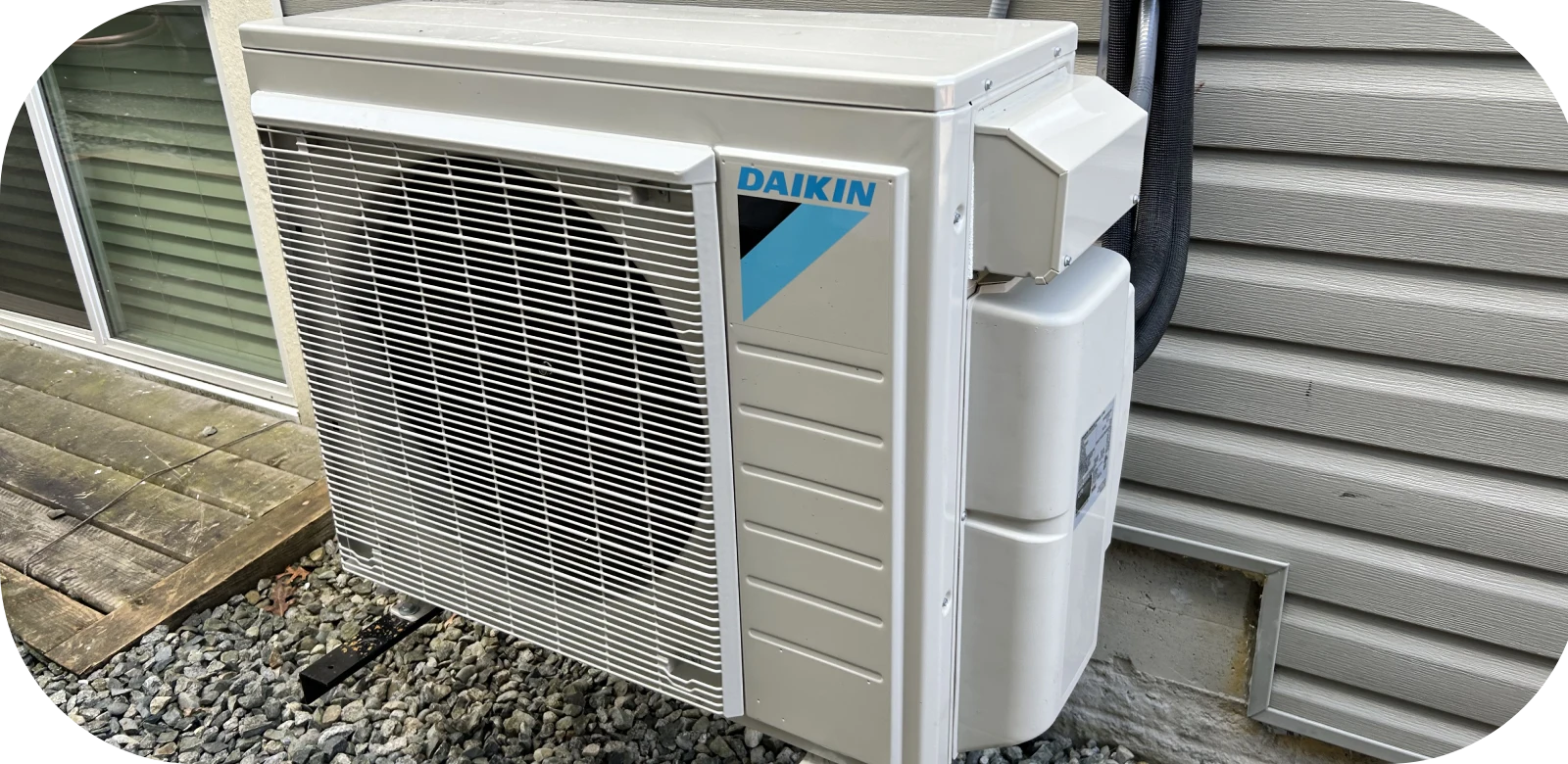


Is Your Heat Pump System Failing to Deliver Consistent Comfort?
Waking up to a cold house because your heating system has seized up is a stressful experience that no homeowner wants to manage alone. Contact us immediately or inquire about our financing options to restore warmth to your home today. Valley Pacific Mechanical Contracting Ltd. understands that when your primary heating and cooling source fails, you need a solution that is fast, technical, and permanent.
- Secure same-day repair services to minimize downtime and discomfort for your family.
- Receive upfront, transparent pricing quotes with zero hidden fees before work begins.
- Restore optimal system efficiency to lower erratic and rising monthly energy bills.
Every repair is backed by a comprehensive labor warranty and performed in strict compliance with all local safety codes.
What to Expect From Professional Heat Pump Repair Services
When you engage professional technicians for a heat pump issue, the objective is not just to patch the immediate problem but to ensure the entire system operates at peak performance. Heat pumps are complex mechanical systems that serve a dual purpose, handling both heating and cooling loads. Because they run year-round, they endure significantly more wear and tear than standalone furnaces or air conditioners. A comprehensive repair service addresses the root cause of efficiency loss, strange noises, or total system failure.
Service calls typically begin with a thorough inspection of both the indoor air handling unit and the outdoor condenser unit. Technicians focus on verifying that the thermodynamic cycle; the movement of heat from one place to another; is occurring without obstruction. This involves checking pressures, temperatures, and electrical signals. Residents in the local area often face issues related to airflow restrictions or sensor calibrations that can trick the system into thinking it has reached the target temperature when it has not.
A robust repair service includes a detailed check of the following components:
- Thermostat and Control Calibration: Ensuring the interface between the user and the machine is accurately reading room temperatures and sending the correct signals to the control board.
- Electrical Connectivity: Tightening loose connections, measuring voltage and amperage on motors, and testing capacitors to prevent sudden electrical failures.
- Refrigerant Charge Verification: Measuring the subcooling and superheat levels to ensure the refrigerant levels meet manufacturer specifications, which is critical for energy efficiency.
- Defrost Cycle Testing: Verifying that the unit can properly enter and exit defrost mode, a crucial function for maintaining operation during colder months.
- Airflow Analysis: Inspecting filters, blower motors, and ductwork connections to ensure heat is being distributed evenly throughout the structure.
The Repair Process: Diagnosing and Fixing System Faults
Restoring a heat pump to full functionality requires a systematic approach. Guesswork in HVAC repair leads to recurring issues and wasted money. A structured diagnostic process ensures that the technician identifies whether the issue is mechanical, electrical, or related to the refrigerant cycle. This methodical approach is vital for complex systems like ductless splits and central heat pumps where error codes can sometimes be misleading.
The process begins with data collection. Technicians gather operational data from the unit while it is running. This includes measuring the temperature drop across the indoor coil in cooling mode or the temperature rise in heating mode. These metrics provide an immediate health snapshot of the system. If the system is not running at all, the focus shifts to the high-voltage and low-voltage electrical circuits to identify safety switches that may have tripped to protect the compressor.
Once the fault is isolated, the repair steps typically follow this sequence:
- Safety Inspection: The technician shuts down power to the unit to safely inspect high-voltage components like the compressor contactor and disconnect box.
- Component Isolation: Using multimeters and gauges, the specific failed part; such as a seized fan motor, a burnt-out capacitor, or a stuck reversing valve, is identified.
- Part Replacement: The faulty component is removed and replaced with an OEM (Original Equipment Manufacturer) or equivalent high-quality part to ensure longevity.
- System Re-commissioning: Power is restored, and the system is run through a full operational cycle. This includes testing the auxiliary heat strips to ensure they engage during extreme cold or defrost cycles.
- Performance Validation: The technician measures the system's output against the manufacturer's performance charts to confirm the repair was successful and efficiency is restored.
Technical Breakdown of Common Heat Pump Failures
To understand the value of professional repair, it helps to understand what typically goes wrong inside these units. Heat pumps rely on a reversing valve to switch between heating and cooling modes. If this valve gets stuck, the unit might blow cold air when you need heat, or vice versa. This is a common mechanical failure that requires specialized handling to replace, as it involves brazing within the refrigerant circuit.
Another frequent issue involves the outdoor coil freezing up. While a light frost is normal in winter, a thick layer of ice indicates a problem with the defrost board or sensors. If the system cannot melt this ice, the airflow is blocked, the heat transfer stops, and the compressor can overheat and fail. Professional repair ensures the defrost logic is working correctly, protecting the most expensive part of your system.
Electrical components are also prone to wear. The start capacitor provides the extra torque needed to get the compressor and fan motors spinning. Over time, these capacitors degrade and lose their ability to hold a charge. If a capacitor fails, the motor may hum but not start, leading to overheating. Proactively replacing these small components during a repair call can prevent catastrophic motor failures later.
When to Replace vs. Repair Your Heat Pump
Deciding between repairing an existing unit or investing in a new system is a significant financial decision. While repairs are often the most cost-effective route for immediate comfort, there are specific thresholds where replacement becomes the more logical financial choice. This decision usually hinges on the age of the system, the frequency of breakdowns, and the cost of the current repair relative to the value of the equipment.
Homeowners should consider replacement if the heat pump is over 12 to 15 years old. Heat pump technology has advanced rapidly, and older units often utilize phased-out refrigerants like R-22, which makes repairs significantly more expensive and environmentally unfriendly. If the cost of the repair approaches 50% of the cost of a new unit, investment in a modern system is generally recommended.
However, repair is the clear choice in the following scenarios:
- The System is Under 10 Years Old: Modern units are built to last, and a failure under the 10-year mark is usually a specific component issue rather than total system degradation.
- Warranty Coverage: If parts or labor are still covered under manufacturer warranties, repair costs are minimal.
- Simple Component Failures: Issues like failed capacitors, contactors, or fan motors are relatively inexpensive fixes that extend the life of the system significantly.
- Proper Maintenance History: If the system has been well-maintained with regular filter changes and check-ups, it likely has many years of service life remaining once the immediate issue is resolved.
Navigating Local Climate Demands and Regional Codes
The local climate places specific demands on heat pump systems that differ from other regions. In areas with high humidity and freezing temperatures, the defrost cycle is heavily utilized. A system that isn't calibrated for these specific regional conditions will struggle to keep up, leading to "auxiliary heat" running excessively. This reliance on emergency heat strips causes a spike in electricity bills, defeating the energy-saving purpose of a heat pump.
Furthermore, local building codes and utility regulations play a role in how repairs and installations are handled. Compliance with these codes is not optional; it ensures the safety of the household and the validity of home insurance policies. Professional technicians are well-versed in local requirements regarding refrigerant handling and electrical safety.
Specific regional considerations include:
- Rebate Eligibility: Many local utility providers offer rebates for repairing or upgrading to high-efficiency systems. Technicians can often provide documentation needed to claim these incentives.
- Permitting Requirements: Major repairs involving refrigerant lines or electrical panel modifications may require local permits. A professional service handles this paperwork to ensure full compliance.
- Seasonal Preparation: The transition seasons (spring and autumn) are critical times for service. Ensuring the system is ready to switch from heating to cooling (or vice versa) prevents that first hot or cold day from becoming an emergency.
Why Homeowners Trust Valley Pacific Mechanical
Choosing the right contractor for heat pump repair is about finding a partner who values technical precision and customer transparency. The difference between a quick fix and a lasting repair often lies in the diagnostic tools used and the experience of the technician. We employ advanced diagnostic equipment to read the specific pressures and temperatures of your system, ensuring nothing is left to chance.
Our team is fully licensed and insured, providing peace of mind that your home is protected during every service call. We pride ourselves on clear communication; explaining exactly what is wrong, why it happened, and how we will fix it, without using confusing jargon. We understand that residents in the area rely on their heat pumps for year-round comfort, and our goal is to minimize disruption to your daily life.
Valley Pacific Mechanical Contracting Ltd. differentiates itself through:
- Expertise Across All Makes and Models: Whether you have a ductless mini-split or a central ducted heat pump, our technicians have the training to service it.
- Stocked Service Vehicles: We arrive with common parts on hand, aiming to resolve the majority of issues in a single visit.
- Focus on Energy Efficiency: Our repairs aim to return your system to its factory efficiency ratings, helping you save money on utilities in the long run.
Secure Your Comfort and System Efficiency Today
A malfunctioning heat pump does more than just lower your comfort levels; it strains the internal components of the system, leading to higher energy consumption and the risk of a complete breakdown. Don't wait until the weather turns extreme to address strange noises, weak airflow, or inconsistent temperatures.
Take control of your home’s climate today. Ensure your system is operating safely and efficiently with professional repair services designed to last.
Contact our team now to schedule your diagnostic appointment and get your heat pump back to peak performance.


Frequently Asked Questions


