


Heat Pump Installation

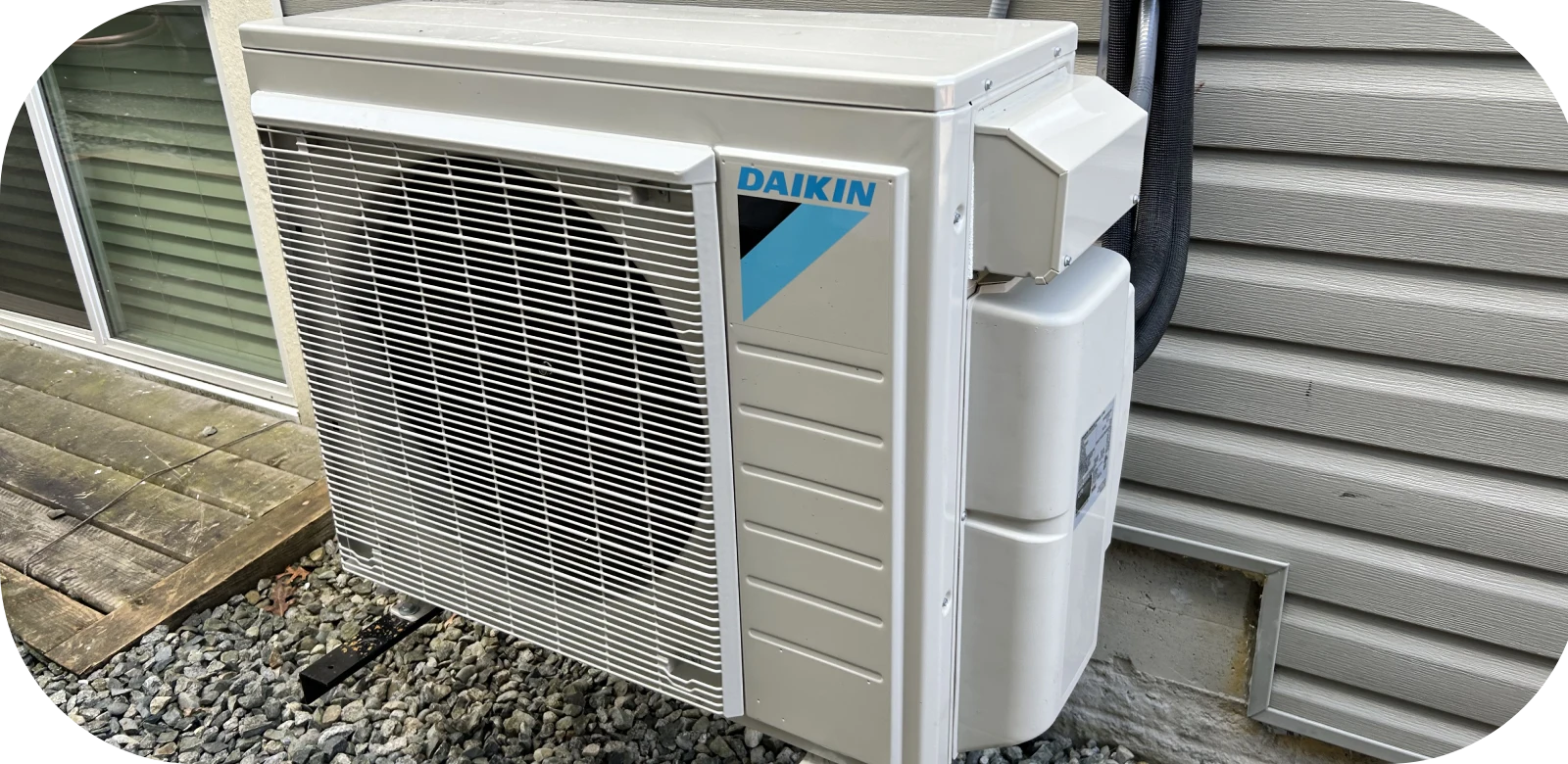


Eliminate Uneven Temperatures and Rising Energy Costs
Is your home constantly alternating between freezing drafts and stifling heat while your utility bills continue to climb? Valley Pacific Mechanical Contracting Ltd. provides comprehensive heat pump installation services designed to stabilize your indoor climate and reduce monthly operational costs. Contact us today to schedule a site assessment and receive a quote for your system upgrade.
Homeowners in diverse climates, ranging from the humid summers of Houston to the freezing winters of Chicago, often find that traditional HVAC systems struggle to maintain consistent comfort. An aging system not only fails to regulate temperature but also drains your finances through inefficiency. Upgrading to a modern heat pump solves these issues by moving heat rather than generating it, offering a versatile solution for year-round comfort.
- Enjoy consistent comfort immediately with our efficient scheduling and installation protocols.
- Reduce energy consumption significantly with high-efficiency systems sized perfectly for your property.
- Gain long-term security with comprehensive manufacturer warranties and our workmanship guarantees.
We handle all necessary municipal permits and offer flexible financing options to ensure your transition to a new system is seamless and affordable.
The Scope of Professional Heat Pump Installation
When you commit to a new heat pump system, you are investing in a sophisticated piece of infrastructure that replaces both your air conditioner and your furnace. The scope of a professional installation goes far beyond simply swapping out a box outside your home. It involves a complete assessment of your home’s thermal envelope and existing ductwork to ensure the new equipment delivers peak performance. Whether you are located in the density of New York or the sprawl of Los Angeles, the goal remains the same: total climate control with minimal energy waste.
A standard installation project includes the safe removal and disposal of your existing HVAC equipment in compliance with environmental regulations. Technicians prepare the installation site, which may involve pouring a new concrete pad or mounting brackets to keep the outdoor unit level and clear of debris or snow. Inside the home, the evaporator coil and air handler are fitted to your existing plenum, or new ductwork is fabricated if necessary to optimize airflow.
The project also covers all electrical modifications required to power the new unit. Heat pumps often require specific amperage and dedicated circuits to operate safely. We ensure your electrical panel can handle the load and upgrade wiring as needed. Finally, the installation includes a modern, programmable, or smart thermostat that communicates effectively with the heat pump to manage humidity and temperature staging.
How the Installation Process Works
A high-quality installation follows a strict technical protocol to ensure the longevity of the system. Shortcuts taken during this phase are the primary cause of premature system failure. We adhere to a rigorous checklist to ensure every component functions correctly from the first startup.
Site Evaluation and Load Calculation:
The process begins with a Manual J load calculation. This determines exactly how much heating and cooling your home requires based on square footage, insulation levels, window orientation, and local climate data.
Technicians inspect existing ductwork for leaks or insulation gaps that could undermine the efficiency of the new heat pump.
System Removal and Site Preparation:
Power is disconnected, and any remaining refrigerant in the old system is recovered into sealed cylinders to prevent atmospheric venting.
The old condenser and air handler are removed.
The ground or wall mounting area is leveled and stabilized to prevent vibration and noise transfer.
Equipment Placement and Connection:
The indoor and outdoor units are positioned.
Refrigerant lines (the copper set) are run between the units. These lines are brazed with nitrogen flowing through them to prevent oxidation inside the pipes, a critical step for system longevity.
Electrical control wiring and high-voltage power lines are connected and secured in conduit.
System Testing and Commissioning:
A vacuum pump is used to remove all moisture and air from the refrigerant lines, measuring the vacuum in microns to ensure a perfectly sealed system.
The correct amount of refrigerant is weighed in according to the manufacturer’s specifications and line set length.
The system is powered on, and technicians measure airflow, static pressure, and temperature splits to verify the unit is performing to its SEER and HSPF ratings.
Deciding Between Repair and Replacement
Determining whether to repair an aging unit or invest in a new installation is a common dilemma for homeowners. While a quick repair might seem cheaper initially, it is often a temporary fix for a system that is nearing the end of its useful life. Heat pump technology has advanced rapidly in the last decade, making retention of old equipment a costly choice in terms of monthly energy spend.
You should prioritize replacement over repair if your current system is over 10 to 15 years old. Heat pumps in this age range typically use R-22 refrigerant, which is phased out and extremely expensive to replace. If a compressor fails or a coil leaks in an older unit, the repair cost frequently exceeds 50% of the value of a new system. In such cases, the return on investment for a new unit is immediate due to efficiency gains.
Frequency of breakdowns is another key indicator. If you have required service calls during both the cooling season in Phoenix and the heating season, the system is likely unreliable. Furthermore, if you notice rising humidity levels inside the home or significant noise increases during operation, the compressor is likely failing. Opting for installation now prevents the inevitable emergency shutdown during extreme weather events.
Navigating Local Requirements and Climate Considerations
Installing a heat pump requires strict adherence to local building codes and an understanding of regional climate challenges. Every municipality, from the boroughs of New York to the suburbs of Houston, has specific permitting requirements regarding noise ordinances, unit placement, and electrical safety. Failure to pull the correct permits can result in fines, issues with home resale, or voided insurance coverage. We manage the entire permitting process, ensuring the installation is code-compliant and passes all final municipal inspections.
Climate plays a massive role in equipment selection.
- Cold Climates: In areas like Chicago or New York, where winter temperatures drop significantly below freezing, standard heat pumps may lose efficiency. We install cold-climate heat pumps (ccASHP) equipped with inverter-driven compressors that maintain 100% heating capacity even at very low ambient temperatures.
- Hot Climates: In regions like Phoenix or Los Angeles, the cooling efficiency (SEER2 rating) is the priority. Systems installed here are optimized to handle extreme heat loads without tripping electrical breakers or freezing up.
- Utility Incentives: Many local utility providers offer substantial rebates for switching from fossil fuel furnaces or electric resistance heating to high-efficiency heat pumps. We assist in identifying available rebates in your specific area to lower the net cost of installation.
Why Homeowners Choose Heat Pump Technology
The shift toward heat pumps is driven by their dual-function capability and superior energy efficiency. Unlike a furnace that burns fuel to create heat, a heat pump simply moves heat energy from one place to another. In the summer, it acts exactly like an air conditioner, removing heat from your home. In the winter, it reverses the cycle, extracting heat from the outdoor air and transferring it indoors. This process is significantly more efficient than electric baseboard heaters or older gas furnaces.
Valley Pacific Mechanical Contracting Ltd. recommends heat pumps for homeowners looking to electrify their homes and reduce their carbon footprint. Because they do not rely on on-site combustion, there is no risk of carbon monoxide leaks, making them a safer option for families. Additionally, modern systems run at variable speeds, meaning they rarely turn fully off. Instead, they ramp up or down to maintain a precise temperature, eliminating the loud blasts of air associated with traditional forced-air systems.
Technical Specifications and System Types
Understanding the different configurations available helps in selecting the right system for your property layout.
- Ducted Split Systems: These are the most common replacements for homes with existing furnaces and central air conditioning. They utilize the existing ductwork to distribute conditioned air throughout the house.
- Ductless Mini-Splits: Ideal for older homes without ductwork or for room additions. These systems feature wall-mounted indoor heads connected individually to an outdoor compressor, allowing for zoned temperature control. You can cool the living room while keeping the bedroom warmer, reducing energy waste.
- Hybrid (Dual Fuel) Systems: For climates with extreme cold snaps, a hybrid system pairs an electric heat pump with a gas furnace. The heat pump handles the bulk of the heating duties during mild to moderately cold weather, while the furnace takes over only during the coldest days of the year, maximizing efficiency.
We also focus on the ratings that matter: SEER2 (Seasonal Energy Efficiency Ratio) and HSPF2 (Heating Seasonal Performance Factor). Higher numbers indicate greater efficiency. We help you balance the upfront cost of higher-rated units against the long-term savings on your utility bills to find the sweet spot for your budget.
Secure Your Comfort and Efficiency Today
A heat pump installation is a significant home improvement project that delivers immediate returns in comfort and ongoing savings in energy costs. By choosing a professional installation, you ensure that the equipment is sized correctly, installed safely, and optimized for your specific local climate conditions. Do not wait for your current system to fail in the middle of a heatwave or a blizzard.
Take control of your indoor environment. Contact Valley Pacific Mechanical Contracting Ltd. now to discuss your heating and cooling options and schedule your installation service.


Frequently Asked Questions


