


Heat Pump Service

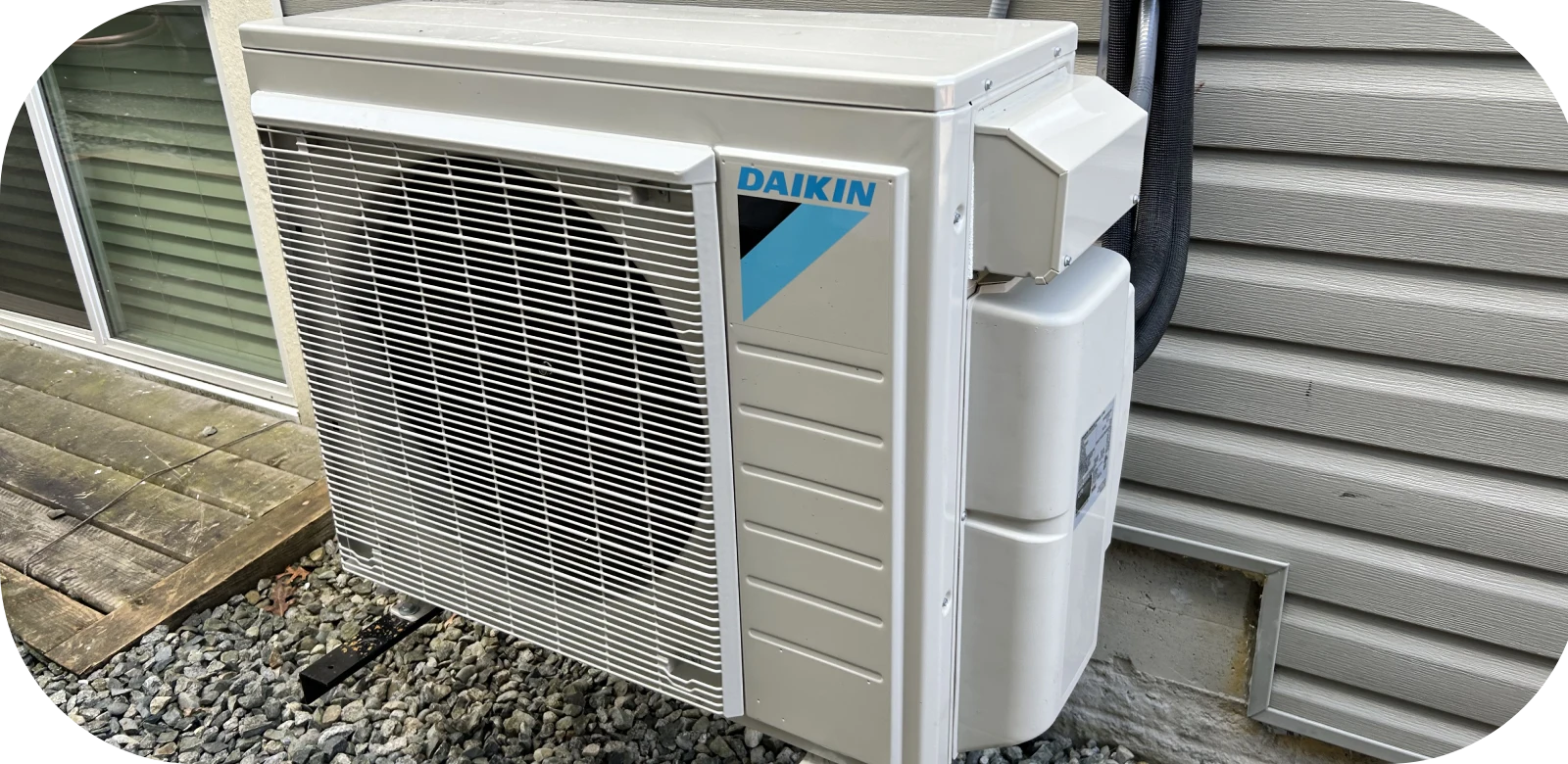


Is Your Heat Pump Ready for the Season?
Facing unexpected heat pump failures just as the weather turns can leave your home uncomfortable and your family at risk. You’re not alone, and immediate help is available; contact us today to schedule a priority diagnostic or discuss financing for a replacement system. Valley Pacific Mechanical Contracting Ltd. specializes in restoring climate control efficiency for homeowners across Vancouver, Calgary, and Toronto.
- Same-day service ensures your comfort is restored promptly without long wait times.
- Reduce your energy bills immediately with our efficient heat pump solutions and tuning.
- Get peace of mind with our comprehensive warranties and expert maintenance plans.
All services are fully licensed and compliant with local codes, with flexible financing available to fit your budget.
Tackle Heat Pump Problems Fast
When your heating or cooling system fails, the priority is restoring normalcy to your home environment. Heat pumps operate differently than standard furnaces or air conditioners, acting as a two-way system that transfers thermal energy. When this transfer is interrupted, efficiency drops and utility costs spike. Addressing these issues immediately prevents minor component failures from cascading into a total system breakdown.
Homeowners in variable climates often face specific indicators that a heat pump is struggling. You might notice the system running constantly without reaching the set temperature, or perhaps the auxiliary heat strip is engaging too frequently, driving up electricity usage. Strange noises, such as grinding or clicking, often signal internal mechanical stress, while ice accumulation on the outdoor unit during winter indicates a failure in the defrost cycle.
Our technicians approach every service call with a diagnostic-first mindset. We do not guess; we measure. By testing pressures, electrical draw, and airflow, we pinpoint the root cause of the inefficiency. Whether the issue stems from a refrigerant leak, a seized motor, or a thermostat calibration error, the goal is to resolve the problem effectively so the system can handle the demands of the coming season.
Today’s Heat Pump Service Explained
Professional service goes beyond a simple filter change. It involves a systematic examination of the thermodynamic and electrical systems that power your heat pump. When you book a service appointment, you are paying for technical expertise and preventative care designed to extend the lifespan of your equipment.
A comprehensive service visit includes rigorous testing of the compressor and reversing valve. The reversing valve is the critical component that switches the unit between heating and cooling modes. If this valve sticks, the system loses its primary function. Technicians also inspect the outdoor coil for debris and damage. In cities with distinct seasons, leaves, dirt, and pollen can impact airflow, forcing the compressor to work harder than necessary.
Standard service protocols typically include:
- Verification of refrigerant levels to ensure the system is not undercharged or leaking.
- Inspection and tightening of all electrical connections to prevent shorts and fire hazards.
- Lubrication of motor bearings to reduce friction and operational noise.
- Cleaning of the condensate drain line to prevent water damage and mold growth.
- Testing of the defrost cycle controls to ensure the unit can handle freezing temperatures.
- Calibration of the thermostat to ensure accurate temperature readings throughout the home.
Valley Pacific Mechanical Contracting Ltd. ensures that every technician is equipped with the tools to perform these tasks efficiently. The objective is to leave the system running at factory specifications, ensuring that you get the maximum thermal output for every kilowatt of electricity used.
The Installation Process: What to Expect
Installing a new heat pump is a significant construction project that alters how your home manages energy. The process requires precise calculation, skilled labour, and adherence to safety standards. Unlike a simple appliance swap, a heat pump installation involves integrating high-voltage electricity with high-pressure refrigerant lines and complex airflow dynamics.
The process begins with a load calculation. Every home has a unique thermal footprint based on square footage, insulation levels, window quality, and orientation. Installing a unit that is too large results in "short cycling," where the unit turns on and off rapidly, leading to premature wear and poor humidity control. Conversely, an undersized unit will run continuously, failing to heat the space during extreme cold snaps.
Once the correct size is determined, the physical installation proceeds in phases:
- The site is prepared, which may involve pouring a new concrete pad or installing wall brackets to keep the outdoor unit above the snow line.
- Existing equipment is disconnected and removed in accordance with environmental disposal regulations.
- New refrigerant lines are run between the indoor and outdoor units, often requiring drilling through exterior walls.
- The indoor air handler is connected to existing ductwork, or new heads are mounted for ductless configurations.
- Electrical circuits are upgraded or connected to handle the amperage requirements of the new system.
- The system is vacuum-tested to remove moisture and oxygen from the lines before being charged with refrigerant.
The final step is commissioning. This involves running the system through a full cycle of heating, cooling, and defrosting to verify performance. Technicians also configure the thermostat and explain the operation to the homeowner, ensuring you understand how to optimize the settings for comfort and efficiency.
Deciding Between Repair and Replacement
One of the most difficult decisions for a homeowner is knowing when to stop repairing an aging unit and invest in a modern replacement. While repairs can solve immediate issues, there is a mathematical tipping point where a new system becomes the more financial, logical choice.
Age is the primary factor. Most heat pumps have a service life of 12 to 15 years. If your unit is approaching or exceeding this age, major repairs such as compressor replacement are rarely worth the investment. Newer models offer significantly higher SEER (Seasonal Energy Efficiency Ratio) and HSPF (Heating Seasonal Performance Factor) ratings, which can lower monthly energy bills enough to offset the cost of installation over time.
Consider the "50% Rule." If the cost of the repair approaches 50% of the value of a new system, replacement is generally the wiser path. This is especially true if the existing unit uses R-22 refrigerant, an older compound that is phased out and incredibly expensive to replenish. Modern systems use R-410A or newer, eco-friendly alternatives that are cheaper and more readily available.
Additional factors that weigh in favour of replacement include:
- Frequency of breakdowns: If you have required multiple repairs in the last two years, the system is becoming unreliable.
- Uneven heating or cooling: If certain rooms are always too hot or too cold despite repairs, the current unit may be improperly sized or the ductwork may need modification that comes with a new install.
- Noise levels: As compressors wear out, they become louder. New inverter-driven systems are whisper-quiet and offer variable speed operation for better comfort.
Local Guidelines and Seasonal Considerations
Operating a heat pump in Canada requires specific attention to regional climate data and municipal regulations. The performance of an air-source heat pump is directly tied to the ambient outdoor temperature. While modern "cold climate" heat pumps can extract heat from air as cold as -25°C or lower, the efficiency curve changes as the mercury drops.
In regions like Calgary, where winter temperatures can plummet drastically, heat pumps are often installed as part of a "hybrid" or "dual-fuel" system. In this setup, the heat pump handles the heating load for the majority of the year, but a gas furnace takes over automatically when temperatures drop below the heat pump’s efficiency balance point. This ensures comfort is never compromised during extreme cold snaps.
In milder but damper climates like Vancouver, the challenge is often high humidity leading to frost accumulation on the outdoor coil. This makes the defrost cycle critical. Local installation codes in these areas often mandate that units be elevated on stands to allow meltwater to drain away freely without re-freezing and blocking airflow.
Toronto presents a mix of both challenges, requiring systems that can handle humid summers and freezing winters. Regardless of the specific city, homeowners must also navigate the permit landscape. Electrical permits are required for the high-voltage connections, and some municipalities have noise bylaws regarding the placement of outdoor mechanical units near property lines.
Furthermore, utility rebates and government incentives are frequently available to encourage the adoption of energy-efficient heat pumps. These programs change often but can significantly reduce the upfront cost of installation. Navigating these requirements is part of the professional service provided by your contractor.
- Check for federal grants like the Greener Homes initiatives which may apply to high-efficiency upgrades.
- Verify if your local municipality requires a noise study before installation.
- Ensure your electrical panel has the capacity for a heat pump, especially if switching from a fossil-fuel-only system.
Why Choose Us? Our Clients Speak
Selecting the right mechanical contractor is as important as selecting the right brand of equipment. The quality of the installation determines the efficiency and longevity of the system. We prioritize technical excellence and transparent communication, ensuring that you know exactly what is happening with your heating and cooling infrastructure.
Our team holds all necessary trade licenses and maintains active memberships in relevant industry associations. This ensures we are up to date on the latest code changes, safety protocols, and technology advancements. We do not use subcontractors for core technical work; our team is trained in-house to maintain strict quality control standards.
When you work with us, you receive clear timelines and detailed quotes. There are no hidden fees or surprise charges. We understand that HVAC issues often arise at the most inconvenient times, which is why we have structured our service capability to respond with speed and precision. Whether you are in the planning stages of a renovation or dealing with an emergency breakdown, our team is ready to deploy.
We offer robust warranty protection on both labour and materials. While manufacturers provide parts warranties, we stand behind the craftsmanship of our installation. If an issue arises due to our work, we resolve it. We also offer flexible financing options, allowing you to upgrade your home comfort system without draining your savings. This approach makes energy efficiency accessible to more homeowners.
Valley Pacific Mechanical Contracting Ltd. is committed to keeping your home comfortable year-round. Don't wait for a total system failure to address your heating and cooling needs.
Take control of your home comfort today; contact us to schedule your service or request a free installation quote.


Frequently Asked Questions


