


From Pipes to Perfection: Mastering Plumbing System Installation


Why Understanding Plumbing System Installation Matters for Your Home
A properly installed plumbing system is the backbone of a functional home, delivering clean water and safely removing waste. Yet, it's often overlooked until a problem arises. Whether you're building, renovating, or upgrading, understanding the basics of plumbing system installation can save you from costly water damage and future headaches. It's more than just pipes; it's an integrated network of supply, drainage, and venting that must work in perfect harmony.
Quick Answer: What is Plumbing System Installation?
Plumbing system installation involves three core subsystems working together:
- Supply System - Delivers pressurized clean water throughout your home via copper or PEX pipes.
- Drainage System - Uses gravity and sloped pipes to remove wastewater to the sewer or septic system.
- Venting System - Allows air into drain pipes to prevent vacuums and keep water flowing smoothly while blocking sewer gases.
The process is typically done in phases: rough-in (installing pipes in walls and floors), testing (checking for leaks), and finishing (connecting fixtures).
If you're planning a larger mechanical upgrade, check out our guide to mechanical installations, or if you're ready to start your project, contact our team for expert plumbing services. This guide will cover the essentials of plumbing installation, from pipe materials to common mistakes, helping you ensure the job is done right.

Learn more about plumbing system installation:
Understanding Your Home's Plumbing Fundamentals
Your home's plumbing consists of two separate systems: one that brings fresh water in and another that takes wastewater out. Understanding how these systems work is key to any successful plumbing system installation.

The system relies on basic physics. The supply subsystem uses pressure to push clean water to your faucets and appliances. The drainage subsystem uses gravity to pull wastewater out of your home. A third component, the vent system, allows air into the drain lines to ensure water flows smoothly and prevents sewer gases from entering your home. Together, these form the Drain-Waste-Vent (DWV) system.
The Water Supply System: Pressurized and Ready
Clean water enters your home under pressure from a municipal water line or a private well. This pressure is what allows water to travel to upper floors and through your home's network of pipes.
- Main Shutoff Valve: This is the most important valve in your home. In an emergency like a burst pipe, shutting it off quickly can prevent major water damage. If you need help with a burst pipe repair, knowing its location is the first step.
- Hot and Cold Water Lines: The main line splits into two paths. The cold line runs directly to fixtures. The hot line diverts water through your water heater, where it's heated (ideally to around 120°F for safety and efficiency), and then distributed through separate hot water lines to your fixtures.
- Pressure Regulation: Water pressure that is too high can damage fixtures, while pressure that is too low results in poor flow. A pressure regulator, usually installed near the main shutoff, helps maintain the optimal pressure.
The Drainage and Vent System: The Power of Gravity
Your drainage system relies on gravity to function.
- Drain Pipes & Slope: All drain pipes are installed with a slight downward slope (typically 1/4 inch per foot) to ensure wastewater and solids flow smoothly toward the sewer or septic system.
- Vent Pipes: These pipes, which usually exit through the roof, allow air into the drainage system. This prevents a vacuum from forming, which would otherwise cause slow or gurgling drains.
- P-Traps: The U-shaped pipe under every sink is a P-trap. It holds a small amount of water to create a seal that blocks sewer gases from entering your home.
- Cleanouts: These are access points that allow you or a plumber to clear clogs without opening up walls.
A properly functioning DWV system is crucial for a healthy home. Regular backflow prevention testing is also important to ensure wastewater doesn't contaminate your clean water supply.
Planning and Preparation for Installation
Proper planning is the most critical step for a successful plumbing system installation. Rushing this phase can lead to code violations, costly mistakes, and future headaches. Before any work begins, have a clear plan, the right materials, and the necessary permits.
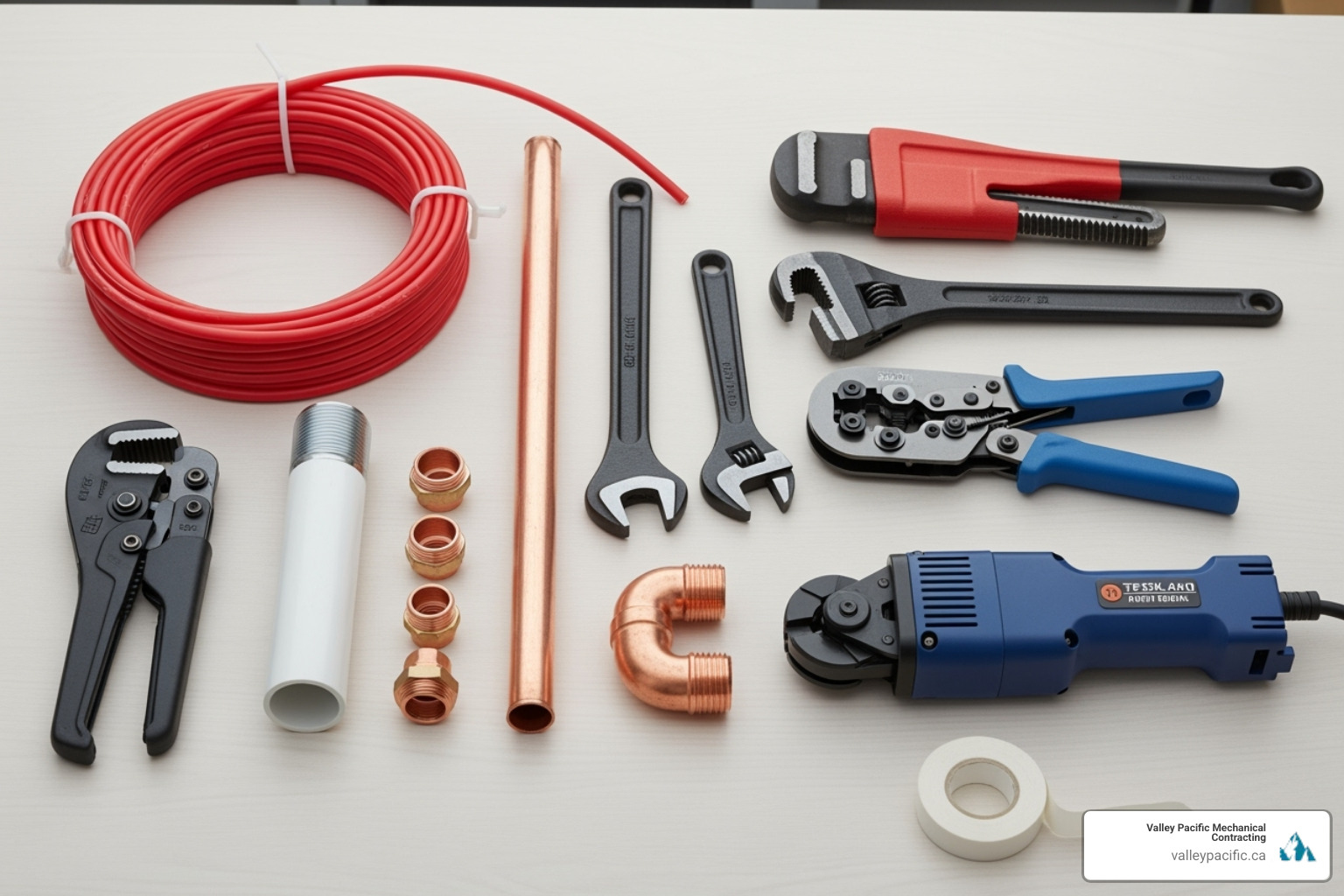
Choosing the Right Pipes and Fittings
The materials you choose will significantly impact the longevity, performance, and cost of your plumbing system. Different applications call for different materials, each with its own advantages.
| Material Type | Application | Durability | Cost-Effectiveness | Ease of Installation | Best For |
|---|---|---|---|---|---|
| PEX | Supply lines | High (resists freezing) | Excellent | Very easy (no soldering) | DIY projects, retrofits, cold climates |
| Copper | Supply lines | Excellent (50+ years) | Moderate | Moderate (requires soldering) | Long-term installations, hot water lines |
| PVC | Drain/waste/vent | High (doesn't corrode) | Excellent | Easy | Most drain and vent applications |
| ABS | Drain/waste/vent | High (impact resistant) | Excellent | Easy | Areas where code permits, colder climates |
If your home has outdated materials like Poly B piping, consider an upgrade. Replace your Poly B piping before it's an emergency to prevent potential leaks and water damage.
Creating Your Plumbing System Installation Plan
A detailed plan is your roadmap. Here’s what to consider:
- Know Your Local Codes: Every municipality has specific plumbing codes. Major work almost always requires a permit. Failing to comply can lead to significant issues, especially when selling your home.
- Map Your Layout: Plan where fixtures will go. Grouping them near a central "wet wall" can save on materials and simplify the system.
- Plan for Access: Ensure that shutoff valves and cleanouts are easily accessible for future maintenance and repairs.
- Gather Your Tools: Before you start, make sure you have all the necessary tools, such as pipe cutters, wrenches, plumber's tape, and safety gear.
For complex projects involving heating, ventilation, and plumbing, professional coordination is key. Our expertise in mechanical installations ensures all systems work together seamlessly.
The Step-by-Step Plumbing System Installation Process
A professional plumbing system installation follows a structured process to ensure everything is done correctly and to code. It's typically broken down into three main phases.
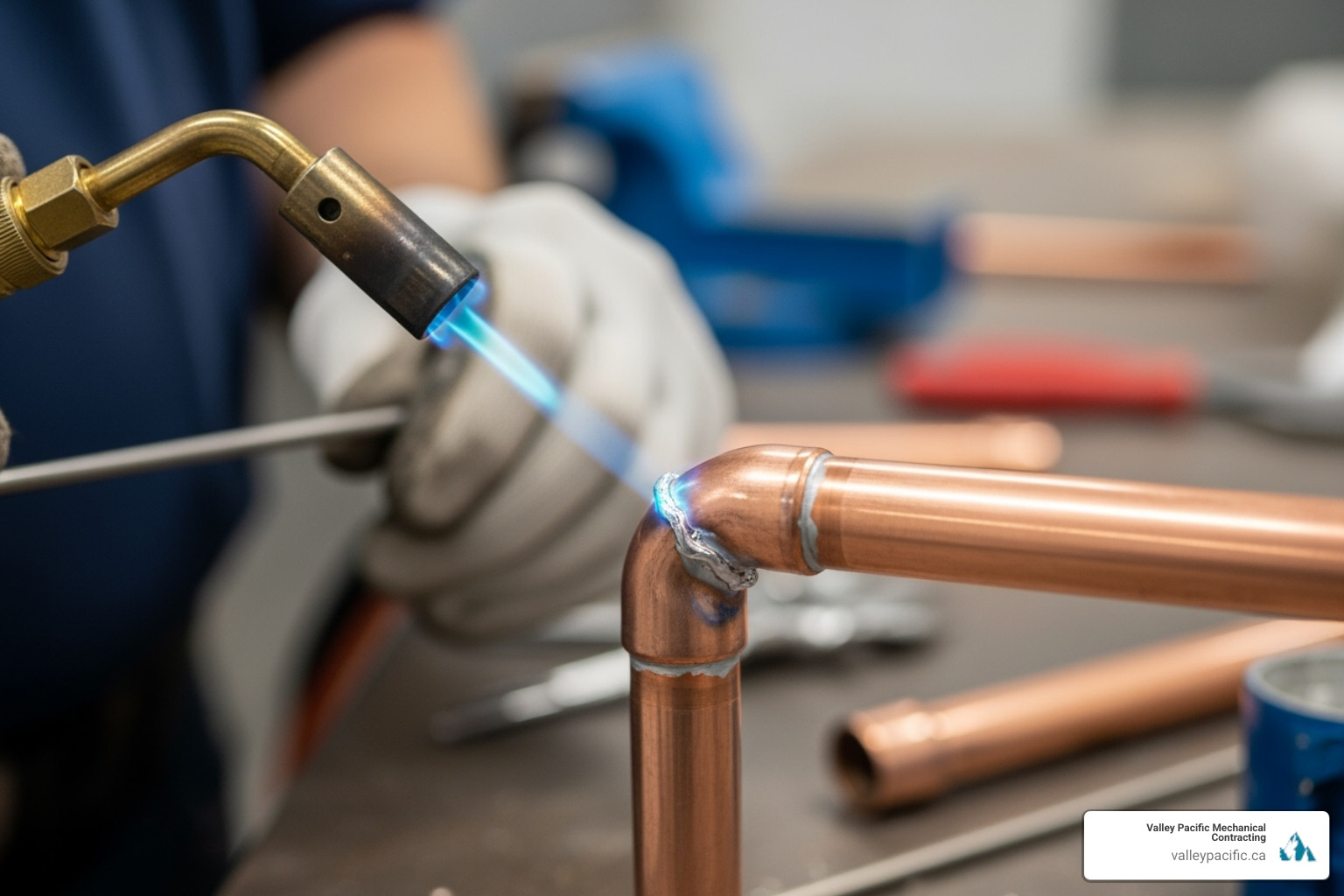
- Rough-In Phase: This is the most critical stage, done after the framing is up but before drywall is installed. All the water supply and drain pipes are run through the walls, ceilings, and floors. This includes setting the main drain lines with the correct slope and running hot and cold water lines to each future fixture location.
- Testing Phase: Before any walls are closed, the entire system is pressurized with air or water to test for leaks. Catching a leak at this stage is a simple fix, whereas finding one after the walls are finished can be a disaster.
- Finishing Phase: After the walls and floors are complete, the final fixtures are installed. This includes setting toilets, connecting sinks and faucets, installing showerheads, and hooking up appliances like dishwashers and washing machines.
Bathroom vs. Kitchen Installation
While the core principles are the same, bathroom and kitchen installations have unique requirements.
Bathroom Plumbing: This involves coordinating multiple fixtures in a small space (toilet, sink, shower/tub). Precise placement of drains and supply lines is crucial. For example, the toilet flange must be set at an exact distance from the wall. Each fixture also requires its own vent, which often ties into a larger vent stack. If you're upgrading, it's a good time to consider a shower valve replacement.
Kitchen Plumbing: The focus here is often on the sink and its related appliances. A kitchen installation must account for a garbage disposal, dishwasher, and often an ice maker line for the refrigerator. The dishwasher requires a hot water supply, a drain line (often connected through an air gap to prevent backflow), and an electrical connection. If you notice any drips during your project, it's best to handle that faucet leak repair immediately.
In both cases, installing individual shutoff valves for each fixture is a best practice that simplifies future repairs.
Best Practices for a Leak-Free, Long-Lasting System
A quality plumbing system installation is built to last. Following best practices ensures your system remains reliable and leak-free for years.
- Proper Pipe Support: Secure pipes at regular intervals to prevent sagging and rattling. This ensures consistent water flow and reduces stress on joints.
- Pipe Insulation: Insulate hot water pipes to conserve energy and both hot and cold pipes in unheated areas (like crawl spaces) to prevent freezing and bursting.
- Accessible Cleanouts: Install cleanouts at key points in the drainage system. This allows for easy access to clear clogs without needing to cut into walls. For major blockages, modern solutions like trenchless pipe repair can solve the problem with minimal disruption.
- Thorough Testing: Always pressure test the system for leaks before closing up walls. It's also wise to test the water pressure to ensure it's within a safe range for your fixtures and appliances.
Common Mistakes to Avoid
Even small errors during installation can lead to big problems. Here are some common pitfalls to avoid:
- Improper Drain Slope: Drain lines must have a consistent, gentle slope (usually 1/4 inch per foot) to allow waste and water to flow correctly.
- Mixing Pipe Materials Incorrectly: Connecting different types of pipes without the proper transition fittings can cause corrosion and leaks.
- Inadequate Venting: Every drain needs a vent to allow air in, preventing slow drains, gurgling noises, and sewer gas from entering your home.
- Over-tightening Fittings: Especially with plastic components, over-tightening can crack fittings and cause leaks.
- Ignoring Building Codes: Plumbing codes exist for safety. Bypassing them can lead to failed inspections, costly rework, and unsafe conditions.
Maintenance, Troubleshooting, and When to Call a Professional
A new plumbing system installation is just the beginning. Regular maintenance is key to preventing major issues and extending the life of your system.
Simple Maintenance Tips:
- Regular Inspections: Periodically check under sinks and around toilets for any signs of moisture or drips.
- Keep Drains Clear: Avoid chemical drain cleaners. Use a mix of baking soda and vinegar, or a drain snake, for minor clogs.
- Prevent Frozen Pipes: Insulate pipes in unheated areas like crawl spaces and garages. During a deep freeze, let a faucet drip slightly to keep water moving.
- Check for Hidden Leaks: Turn off all water in your house and check the water meter. If it's still moving, you likely have a hidden leak.
- Test Your Sump Pump: If you have a sump pump, test it regularly to ensure it's ready to protect your basement from flooding. If you need assistance, we offer expert sump pump repair.
For routine maintenance or unexpected issues, Valley Pacific Mechanical Contracting provides reliable plumbing services in Maple Ridge, BC and the surrounding areas.
When Professional Expertise is Non-Negotiable
While some minor tasks are DIY-friendly, certain jobs should always be left to a licensed professional. Call an expert for:
- Major Renovations or New Construction: A complete plumbing system installation requires knowledge of system design, pipe sizing, and local building codes.
- Main Water or Sewer Line Issues: These jobs require specialized equipment and can cause significant damage if not handled correctly.
- Gas Line Work: For your safety, any work involving gas lines for appliances must be done by a certified professional.
- Persistent Problems: If you're dealing with recurring clogs, low water pressure, or strange noises, a professional can diagnose the root cause.
Hiring a professional ensures the job is done safely, correctly, and up to code, giving you peace of mind. This is especially true for complex projects like mechanical and boiler installation services Maple Ridge BC.
Your Partner for a Perfect Plumbing Installation
A successful plumbing system installation is the backbone of a functional and comfortable home. From understanding the core components to planning the layout and choosing the right materials, a well-executed project ensures reliable water delivery and waste removal for decades. While this guide provides a solid foundation, complex installations require professional expertise to avoid costly mistakes, water damage, and safety hazards.
That's where Valley Pacific Mechanical Contracting comes in. For over 30 years, our team has provided headache-free mechanical and plumbing solutions throughout the Lower Mainland. We treat every project—from a simple repair to a complete system installation—with the care and precision it deserves. Whether you're building, renovating, or dealing with aging pipes, we're here to ensure your plumbing is installed correctly the first time.
We're also your complete mechanical solutions partner, offering services like heat pump installation in Maple Ridge, BC and mechanical and boiler installation services in Maple Ridge, BC.
Ready to start your plumbing project? Contact us for a headache-free experience.
Best Practices for a Leak-Free, Long-Lasting System
A successful plumbing system installation is about more than getting water to flowit's about reliability for decades. Focus on these essentials during installation:
- Proper pipe support and anchoring: secure supply lines about every six feet and drain lines about every four feet to prevent sagging, rattling, and water hammer.
- Pipe insulation: insulate hot water lines for efficiency and any pipes in unheated areas to prevent freezing and bursts.
- Accessible cleanouts: place them near the building exit, at the base of vertical stacks, and on trap arms serving kitchen sinks. For severe underground issues, modern solutions like trenchless pipe repair minimize disruption.
- Thorough testing before closing walls: pressure-test with water or air and verify no pressure drop.
- Water pressure testing: confirm system pressure is in a safe range and use a regulator on the main if needed.
Common Mistakes to Avoid
- Improper drain slope: horizontal drains should fall 1/4 inch per foottoo little causes slow flow; too much leaves solids behind.
- Mixing materials incorrectly: always use proper transition fittings to avoid leaks and galvanic corrosion.
- Inadequate venting: every drain needs a vent to prevent gurgling, slow drains, and sewer gas entry.
- Over-tightening fittings: especially with plastics, hand-tight plus a small wrench turn is often enough.
- Not following code: expect inspections; codes protect safety, performance, and home value.
- Forgetting insulation: unconditioned spaces can cause freezing in winter and condensation/mold in summer.
Maintenance, Troubleshooting, and When to Call a Professional
Even after a solid plumbing system installation, routine upkeep prevents surprises and extends system life.
- Regular inspections: look for stains, moisture around joints, and musty odors. An unexplained water bill spike often signals a hidden leak.
- Keep drains clear: avoid chemical cleaners. Use a plunger or drain snake; for maintenance, try baking soda + vinegar followed by hot water.
- Protect against freezing: insulate exposed pipes, seal drafts, and let faucets drip slightly in deep freezes.
- Find hidden leaks: turn off all water, note the meter, wait an hour without use; movement indicates a leak.
- Fix low water pressure: ensure valves are fully open and clean faucet aerators. House-wide low pressure may indicate main line or regulator issues.
- Sump pump reliability: test by adding water to the pit to confirm automatic operation. For help, see our sump pump repair.
- Ongoing support: Valley Pacific provides expert plumbing services in Maple Ridge, BC and across the Lower Mainland.
When Professional Expertise is Non-Negotiable
- Major renovations or new construction: system design, pipe sizing, venting, and code compliance demand licensed expertise for a complete plumbing system installation.
- Main water or sewer line issues: specialized equipment, permits, and safeguards are essential.
- Gas line work: must be performed by certified professionals for safety.
- Complex code requirements and permits: professionals handle approvals and inspections.
Hiring a pro ensures a safe, efficient, code-compliant system and a headache-free experienceespecially for complex projects like mechanical and boiler installation services Maple Ridge BC.
Your Partner for a Perfect Plumbing Installation
A successful plumbing system installation delivers clean water and safe waste removal for decades. With a clear plan, the right materials, and sound best practices, your home stays comfortable and worry-free.
That's where Valley Pacific Mechanical Contracting comes in. For over 30 years, we've delivered headache-free mechanical and plumbing solutions across the Lower Mainland, with 24/7 emergency service and a commitment to doing it right the first time.
Beyond plumbing, were your complete mechanical partner. Need efficient heating? Explore our heat pump installation in Maple Ridge, BC. For comprehensive heating solutions, see our mechanical and boiler installation services in Maple Ridge, BC.


