


The Math of Comfort: How Much High Efficiency HVAC Saves You

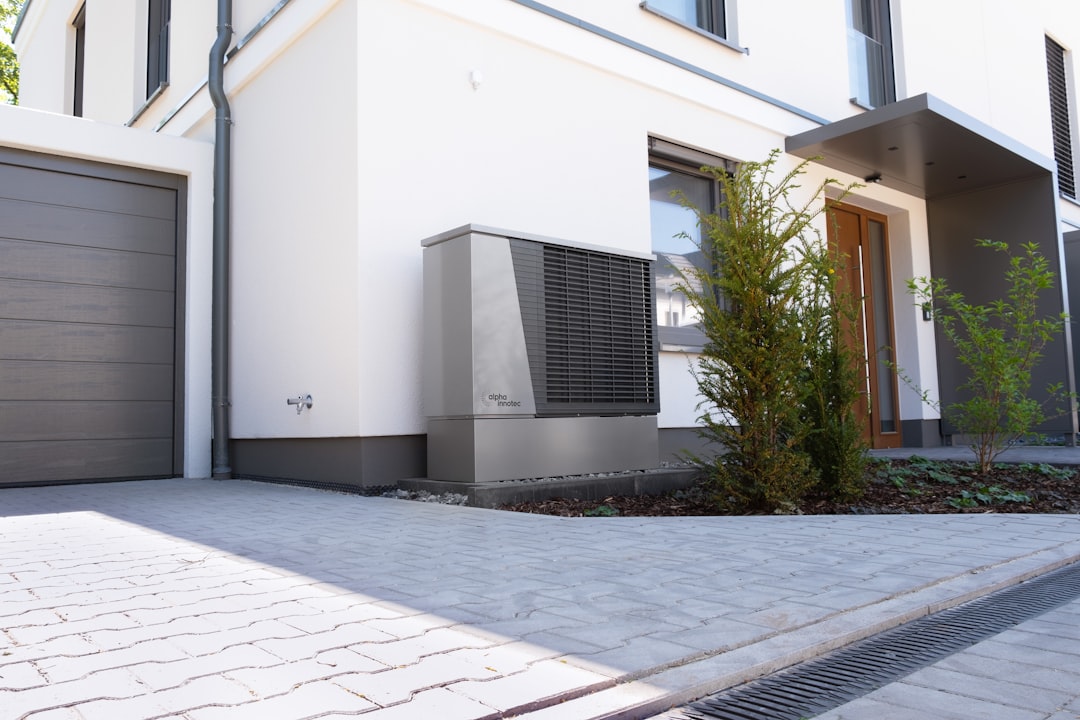


How Much Does a High Efficiency System Save on Your BC Energy Bills?
How much does a high efficiency system save is one of the most common questions homeowners in the Lower Mainland ask before committing to an upgrade — and the answer is more significant than most people expect. Depending on how old your current system is and how you heat and cool your home, a high-efficiency upgrade can cut your energy bills by 20% to 50% annually. For a typical BC household spending over $2,200 a year on energy — with nearly half going to heating and cooling — those savings add up fast.
Here is a quick breakdown of realistic annual savings by upgrade type:
| Upgrade Type | Efficiency Jump | Estimated Annual Savings |
|---|---|---|
| Furnace: 80% → 96% AFUE | +16% fuel efficiency | $200 – $260/year on heating |
| AC: 10 SEER → 15 SEER | +33% cooling efficiency | Significant monthly reduction |
| AC: 14 SEER2 → 18 SEER2 | +28% cooling efficiency | ~$230/year in heating-dominant climates |
| Old system → High-efficiency heat pump | Up to 50% total reduction | $300 – $600+/year depending on usage |
A few things drive where you land in that range:
- How old your current system is — systems from before 2006 often run at 10 SEER or lower
- Your local climate and how many hours the system runs each year
- Whether you're replacing heating, cooling, or both
- The condition of your ductwork and home insulation
The average household in the Lower Mainland doesn't run air conditioning for 2,000+ hours like homes in Phoenix or Florida do — but heating loads here are real, and that's where high-efficiency furnaces and heat pumps deliver the biggest returns. Pair those savings with BC's available rebate programs and the financial case becomes even stronger.
The sections below walk through the math in detail — by system type, climate zone, and your specific situation — so you can make a confident decision before you invest.

Understanding Efficiency Ratings: SEER2, AFUE, and HSPF2 in 2026
When we talk about HVAC efficiency, it often sounds like alphabet soup. However, these ratings are essentially the "miles per gallon" for your home’s comfort systems. In May 2026, the standards have evolved to be more rigorous, ensuring that when you invest in a new Heat Pump AC, you are getting the most technology for your dollar.
SEER2 (Seasonal Energy Efficiency Ratio 2)
SEER2 measures how efficiently your air conditioner or heat pump cools your home over a typical season. The "2" indicates updated testing procedures that better reflect real-world external static pressure. In the past, a 10 SEER unit was common; today, high-efficiency units often reach 18 to 22+ SEER2. Doubling your SEER rating can effectively cut your cooling energy usage in half.
AFUE (Annual Fuel Utilization Efficiency)
This rating applies to gas furnaces. It tells you what percentage of the fuel you pay for actually turns into heat for your home versus how much is wasted as exhaust. A standard furnace from the 1980s or 90s might have an 80% AFUE, meaning 20 cents of every dollar spent on gas literally goes up the chimney. Modern high-efficiency "condensing" furnaces reach 96% to 98.5% AFUE, leaving almost no waste.
HSPF2 (Heating Seasonal Performance Factor 2)
For those of us in the Lower Mainland, this is arguably the most important number. It measures the heating efficiency of a heat pump over the course of a heating season. The higher the HSPF2, the less electricity the unit uses to keep you warm during a chilly Langley or Maple Ridge winter.
| Rating Type | 2010 Standard | 2026 High-Efficiency Benchmark |
|---|---|---|
| SEER / SEER2 | 10 - 13 | 18 - 22+ |
| AFUE | 80% | 96% - 98.5% |
| HSPF / HSPF2 | 7.7 | 9.0 - 11.0+ |
How much does a high efficiency system save on annual energy bills?
When we look at the big picture, upgrading to a high-efficiency system typically results in a 30-50% reduction in the energy used for climate control. This is largely due to advanced technology like variable-speed compressors.
Traditional "standard" systems are either 100% on or 100% off. Imagine driving your car by either flooring the gas or slamming on the brakes—it’s incredibly inefficient. High-efficiency systems, particularly a modern Heat Pump Installation in Langley BC, use variable-speed technology that acts like cruise control. The system ramps up or down in tiny increments to maintain a steady temperature, avoiding the massive power surges required for frequent start-ups.
Because air conditioning can contribute 40-70% of an electricity bill in the peak of summer, cutting that consumption by 44% (a common result of moving to SEER 16+) provides immediate relief to your wallet.
How much does a high efficiency system save when replacing an 80% AFUE furnace?
If you currently have an 80% AFUE furnace, you are losing 20% of your fuel to the atmosphere. Upgrading to a 96% AFUE unit provides a 16-20% reduction in fuel costs, which translates to roughly $200–$260 in savings every year for the average home.
This jump is possible because of "condensing" technology. High-efficiency furnaces feature a secondary heat exchanger. This component captures "latent heat"—energy from the water vapor in the exhaust gases that standard furnaces simply vent away. By squeezing every bit of heat out of the fuel, these systems ensure that 96 to 97 cents of every dollar you spend stays inside your home. If you're noticing your current furnace struggling, a Heat Pump Repair in Pitt Meadows BC or a total system evaluation can help determine if the switch to high-efficiency is your best financial move.
How much does a high efficiency system save in the Lower Mainland's temperate climate?
Our region is unique. We have a "heating-dominant" climate, meaning we spend much more time trying to stay warm than we do trying to stay cool. In places like Maple Ridge or Pitt Meadows, we might only use our AC for a few weeks a year, but our furnaces or heat pumps run from October through April.
Because our winters are relatively mild compared to the rest of Canada, high-efficiency heat pumps are exceptionally effective here. They don't have to work nearly as hard to extract heat from 5°C air as they would in -20°C air. This "temperate advantage" means your ROI is often faster than in extreme climates because the system spends more time in its most efficient operating range. When you consider the local BC Hydro rates, a Heat Pump Service in Maple Ridge BC can ensure your system is tuned to capitalize on these regional conditions.
Key Factors That Influence Your Real-World Energy Savings
While the stickers on the equipment promise big numbers, how much does a high efficiency system save in your house depends on several "real-world" factors.
- Ductwork Integrity: You can buy the most efficient unit in the world, but if your ducts are leaky, you could be losing 20% to 30% of your conditioned air to the attic or crawlspace. We often recommend sealing and insulating ducts to ensure the savings actually reach your living room.
- Home Insulation: Efficiency is a two-way street. A high-efficiency system generates heat or cooling for less money, but proper attic insulation keeps that comfort from escaping.
- Thermostat Habits: Using a programmable or smart thermostat can save an additional $180 per year. These devices allow the system to scale back when you're at work or sleeping, ensuring you aren't paying to heat an empty house.
- Proper Sizing: This is critical. A system that is too large will "short-cycle" (turn on and off too quickly), which kills efficiency and wears out the parts. We use "Manual J" load calculations to ensure your system is perfectly sized for your home's footprint and window orientation.
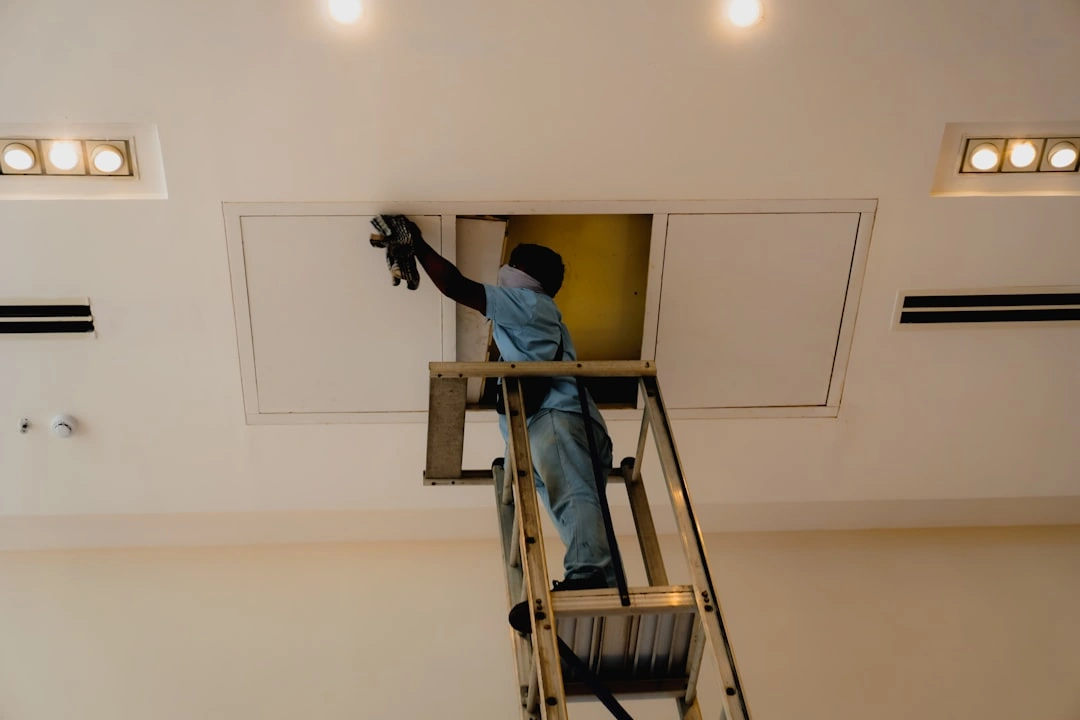
If you've been experiencing uneven temperatures, it might not just be the unit; it could be the delivery. A professional Heat Pump Repair in Maple Ridge BC can often identify these "hidden" efficiency killers like disconnected ducts or blocked returns.
Maximizing ROI with BC Hydro and CleanBC Rebates
In 2026, the financial argument for high-efficiency systems is bolstered by significant provincial and utility incentives. In British Columbia, we are fortunate to have "stackable" rebates that can drastically shorten your payback period.
- CleanBC Better Homes: This program offers substantial rebates for homeowners transitioning from fossil fuel (gas, oil, or propane) to high-efficiency electric heat pumps.
- BC Hydro Power Smart: You can often find additional rebates for choosing ENERGY STAR-certified equipment that reduces the load on the electrical grid.
- Income-Qualified Top-Ups: Depending on your household income, you may be eligible for even higher rebate tiers, sometimes covering a significant portion of the upgrade.
- Federal Interest-Free Loans: While some grants have shifted, the Canada Greener Homes Loan still offers up to $40,000 in interest-free financing over 10 years, making the "sticker shock" of a high-efficiency Heat Pump Installation in Pitt Meadows BC much more manageable.
By stacking these programs, a project that might have a 12-year payback period on energy savings alone can often be reduced to a 5-to-7-year payback.
The Comfort Advantage: Why Efficiency is About More Than Money
While we focus on the question of how much does a high efficiency system save in dollars, the "soft" benefits are often what homeowners appreciate most after the installation.
- Consistent Temperatures: Because high-efficiency systems use modulating or variable-speed motors, they don't "blast" hot or cold air. Instead, they provide a steady, gentle flow that eliminates those annoying hot and cold spots in different rooms.
- Humidity Control: High-efficiency units are better at removing moisture from the air during the summer. Lower humidity allows you to feel comfortable at a higher temperature (e.g., 74°F feels like 70°F), allowing you to set the thermostat higher and save even more.
- Whisper-Quiet Operation: Modern outdoor condensers and indoor blowers are significantly quieter than their predecessors. You won't have to turn up the TV every time the furnace kicks on.
- Longevity: Because these systems avoid the "hard starts" of traditional on/off units, there is less mechanical wear and tear on the compressor and motor, often leading to a longer service life.
Regular Heat Pump Service is still necessary to keep these precision machines running perfectly, but the baseline reliability of modern high-efficiency engineering is a major upgrade for any home.
Frequently Asked Questions about High-Efficiency HVAC
How long is the typical payback period for a high-efficiency upgrade?
Most homeowners in the Lower Mainland see a "break-even" point between 5 and 10 years. This timeline is heavily influenced by how much you use the system and which rebates you qualify for. If you plan on staying in your home for more than 5 years, the investment almost always pays for itself through lower monthly bills and increased home resale value. If you need help evaluating your current unit's health, a Heat Pump Repair in Langley BC can provide a baseline for comparison.
Does a high-efficiency system require more maintenance?
High-efficiency systems are more complex than standard ones. For example, because they are "condensing" units, they produce a small amount of acidic water (condensate) that must be drained away. This means you need to ensure condensate drains are clear and secondary heat exchangers are inspected. However, this isn't "more" maintenance so much as "specialized" maintenance. Routine Heat Pump Service in Pitt Meadows BC will keep these components clean and prevent minor issues from becoming expensive repairs.
Can I keep my old furnace as a backup with a new heat pump?
Yes! This is called a "dual-fuel" or hybrid system. The electric heat pump handles the heating for most of the year (when it's most efficient), and your high-efficiency gas furnace kicks in only when temperatures drop well below freezing. This offers the best of both worlds: extreme efficiency and peace of mind. Just keep in mind that to qualify for certain CleanBC rebates, the old fossil-fuel system must be properly managed according to program rules. You can learn more about how these systems work together on our Heat Pump page.
Conclusion
Investing in a high-efficiency HVAC system is one of the most strategic moves you can make for your home’s long-term value and your daily comfort. From slashing your monthly BC Hydro and FortisBC bills to enjoying a quieter, more consistent indoor environment, the benefits far outweigh the initial investment—especially when you factor in the thousands of dollars available in rebates.
At Valley Pacific Mechanical Contracting, we bring over 30 years of expertise to every home in Langley, Pitt Meadows, Maple Ridge, and Mission. As an Indigenous-owned business, we take pride in our community and our "headache-free" approach to service. Whether you need a simple tune-up or a full system redesign, our licensed technicians are here to ensure you get the maximum ROI on your equipment. Plus, with our Daikin Comfort Promise, you can rest easy knowing your home is in expert hands.
Ready to see exactly how much you could save? Schedule your high-efficiency consultation today and let us help you do the math on a more comfortable home.


