


How to Cool Your Home When You Have Zero Ductwork

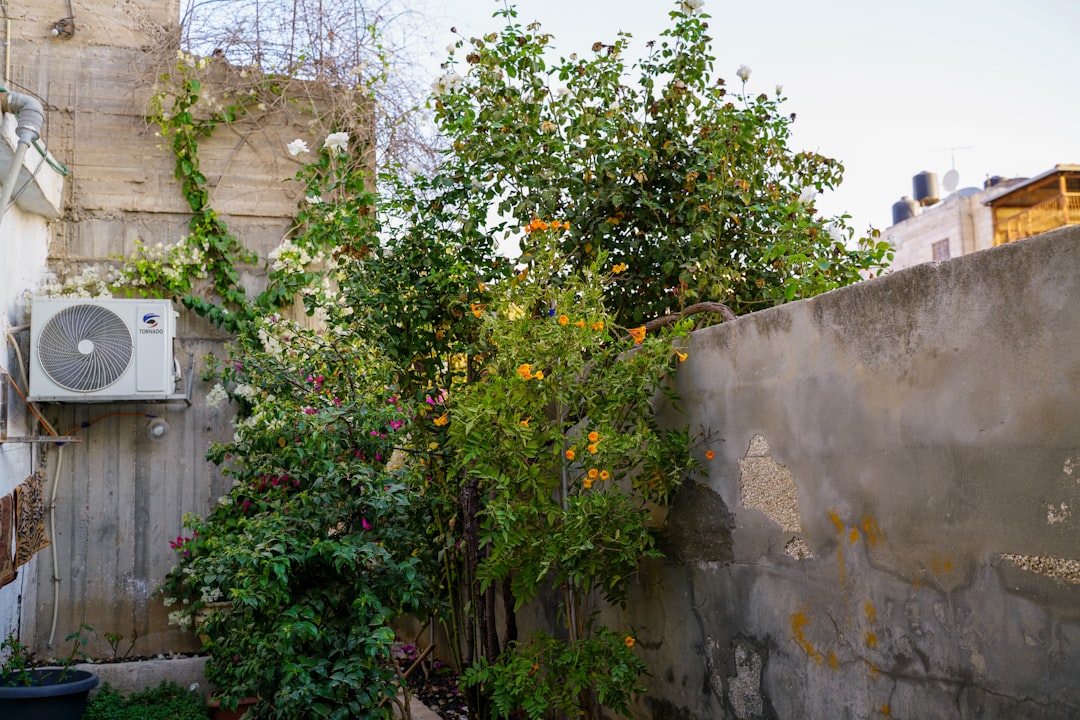


How ductless systems work for homes without ductwork: The Step-by-Step Process
To understand how ductless systems work for homes without ductwork, it helps to think of them as a "heat mover" rather than a "cold air maker." Unlike a traditional furnace that burns fuel to create heat, or a central AC that pushes air through a complex maze of vents, a ductless system uses the physics of the refrigerant cycle to relocate thermal energy.
The process is powered by inverter technology. In older systems, the compressor was either "on" at 100% or "off." Modern ductless systems act more like a dimmer switch, adjusting the motor speed to maintain a precise temperature without constant cycling. This is one of the reasons we often recommend our Ductless AC Service to keep these high-tech components humming smoothly.
The cooling cycle and heat absorption
When you set your remote to "cool" on a hot July afternoon in Pitt Meadows, the indoor unit’s evaporator coils spring into action. A very cold liquid refrigerant flows through these coils. A quiet fan pulls the warm, humid air from your room over the coils. The refrigerant absorbs the heat from that air, turning from a liquid into a gas in the process.
As the heat is removed, moisture in the air condenses on the coils (much like a cold pop can on a summer day). This water is safely collected and sent outside through a small condensate drain line. The result? Crisp, dry, cool air is blown back into your room. If you’re curious about how this specific technology handles our local humidity, our Ductless AC Service Guide Pitt Meadows BC goes into even more detail.
How ductless systems work for homes without ductwork during BC winters
One of the most common questions we get at Valley Pacific is: "Does it really work when it’s freezing outside?" The answer is a resounding yes. Because these systems are heat pumps, they feature a reversing valve. In the winter, the cycle literally flips.
Even when it feels cold to us, there is still ambient heat in the outdoor air. The outdoor unit extracts this heat, the compressor pressurizes the refrigerant gas to make it even hotter, and that heat is released into your home through the indoor unit. This is incredibly efficient compared to electric baseboards. To ensure your system is ready for the first frost, regular Mini Split Service is essential to check the reversing valve and refrigerant levels.
How ductless systems work for homes without ductwork to improve air quality
Traditional ducts are notorious for collecting dust, pet dander, and even mold over the decades. When the fan kicks on, those allergens are blasted into every room. Ductless systems solve this by using multi-stage filtration right at the source.
Each indoor unit contains its own set of filters that catch particulates before they ever enter your living space. Many systems even include specialized filters to neutralize odors and trap microscopic allergens. For our neighbors in Mission who struggle with seasonal pollen, we’ve put together a Ductless AC Service Guide Mission BC that highlights how these systems can turn your home into a clean-air sanctuary.
Why Ductless is the Ideal Solution for Older Lower Mainland Homes
Many of the beautiful heritage homes in Langley and Maple Ridge were built long before central air conditioning was a standard feature. Retrofitting these houses with bulky metal ductwork often means tearing out original plaster walls or lowering ceilings—a nightmare for any homeowner.
| Feature | Ductless Mini-Split | Traditional Ducted System |
|---|---|---|
| Installation Impact | Minimal (3-inch hole) | Major (Wall/Ceiling demolition) |
| Energy Efficiency | Up to 35 SEER2 | Typically 15–25 SEER2 |
| Energy Loss | Near 0% | Up to 30% (Leaky ducts) |
| Zoning | Standard (Room-by-room) | Rare/Expensive add-on |
As you can see, the Ductless approach is far less invasive. We only need to drill a small three-inch hole to pass the "umbilical cord" (the conduit containing power and refrigerant lines) from the inside to the outside.
Eliminating energy loss from leaky vents
In a traditional home, ducts often run through unconditioned spaces like attics or crawlspaces. Statistics show that duct losses can account for more than 30% of energy consumption for space conditioning. That means for every $100 you spend on heating or cooling, $30 might be disappearing into your attic before it ever reaches your bedroom.
Ductless systems achieve efficiency ratings between 15.2 and 35 SEER2 (Seasonal Energy Efficiency Ratio). Because the air is treated right in the room where it's delivered, there are no "leaks" to worry about. If you live in a multi-level home in Maple Ridge, our Ductless AC Service Guide Maple Ridge BC explains how this efficiency translates to lower monthly bills.
Zoned control for personalized room temperatures
Have you ever fought over the thermostat because the upstairs is sweltering while the basement is a freezer? Multi-zone ductless systems allow up to eight indoor units to connect to a single outdoor condenser. Each unit has its own thermostat.
This means you can keep your kitchen cool while cooking, turn off the AC in the guest room you aren't using, and keep the nursery at the perfect, steady temperature. This level of Mini Split Installation provides a customized comfort level that a single central thermostat simply cannot match.
Choosing and Installing Your New System in the Lower Mainland

Choosing the right system starts with a Manual J calculation. We don't just guess based on square footage; we look at your window orientation, insulation levels, and local BC climate data to size the system perfectly. This prevents "short-cycling," where a system turns on and off too quickly, wasting energy and wearing out components.
When you book a Mini Split Installation Replacement, you have options for indoor unit styles. While wall-mounted units are the most common, we also install floor-mounted units (great for replacing old radiators) and ceiling cassettes that sit nearly flush with the ceiling for a more discreet look.
Professional installation expectations in April 2026
As of April 2026, the installation process is more streamlined than ever. When we arrive at your home in Langley or Pitt Meadows, here is what to expect:
- Mounting the Indoor Unit: We secure the bracket and unit to your interior wall.
- The Conduit: We drill the 3-inch hole and run the refrigerant lines, power cable, and drain line.
- The Outdoor Unit: We place the condenser on a level pad or wall bracket, ensuring it has plenty of clearance for airflow.
- Testing: We vacuum the lines to remove moisture and check for leaks before releasing the refrigerant.
If you ever run into issues down the road, our team is also experts in Mini Split Repair, though a properly installed system should provide decades of trouble-free service.
Maintaining Your System for Long-Term Performance
A high-quality ductless system can have a lifespan of 15 to 30 years, but that longevity depends entirely on maintenance. Fortunately, ductless maintenance is quite simple for the homeowner.
- Clean the Filters: Every 2–4 weeks, you should pop open the front panel and rinse the mesh filters. This keeps airflow high and energy bills low.
- Keep the Outdoor Unit Clear: Ensure no leaves, snow, or shrubs are blocking the outdoor condenser. It needs to "breathe" to move heat effectively.
- Annual Professional Service: Once a year, have us come out for a Ductless AC Installation follow-up or routine check. We’ll clean the deep internal coils and check the electrical connections to ensure everything is operating at peak SEER2 efficiency.
Frequently Asked Questions about Ductless HVAC
Can one outdoor unit power my entire home?
Absolutely. While single-zone systems are great for sunrooms or garages, multi-zone systems can support up to eight indoor units. This allows you to condition your entire home using a single outdoor footprint.
Are ductless mini-splits noisy?
Not at all. In fact, many outdoor units operate as quietly as 46 decibels—about the level of a normal conversation. The indoor units are even quieter, often operating at 19-32 dB, which is like a whisper or a quiet library. You’ll likely forget they are even running.
Are there incentives for installing heat pumps in BC?
Yes! In April 2026, there are several federal and provincial incentives designed to help Lower Mainland homeowners switch to clean energy. Many Energy Star-certified ductless heat pumps qualify for tax credits and rebates because they reduce carbon footprints compared to gas or oil heating. We can help you identify which current programs apply to your specific project.
Conclusion
Understanding how ductless systems work for homes without ductwork opens up a world of comfort possibilities. You don't have to suffer through humid summers or chilly winters just because your home doesn't have vents.
With over 30 years of expertise serving the Lower Mainland, Valley Pacific Mechanical Contracting is here to provide a "headache-free" experience. From the initial sizing calculation to the final test of your new multi-zone system, we treat your home like our own. Whether you are in Langley, Mission, or Maple Ridge, we are ready to help you ditch the window units for good.
Ready to experience zoned, whisper-quiet comfort? Schedule your ductless consultation today and let our team design the perfect solution for your duct-free home.


