


How to Calculate Heat Pump Savings in BC

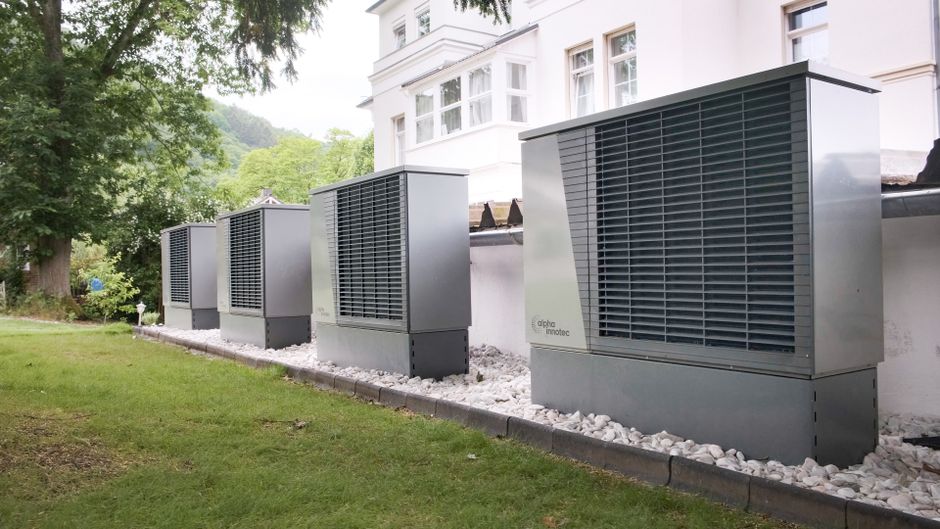


Is a Heat Pump Worth It in BC? Here's What You Can Actually Save
How much does a heat pump save on energy in bc depends mainly on what you're replacing. Here's a quick breakdown:
| Current Heating System | Estimated Annual Savings |
|---|---|
| Electric baseboard heaters | $849/year on average |
| Natural gas furnace (with standalone AC) | $169/year on average |
| Propane furnace | Up to 60% reduction in heating costs |
| Oil furnace | Up to 62% reduction in heating costs |
These figures come from a Clean Energy Canada report analyzing BC household energy use. Across the province, a full switch to heat pumps could save households a combined $675 million per year — while actually reducing total electricity demand.
Why such a big difference between baseboard and gas? It comes down to how heat pumps work. Instead of generating heat by burning fuel or running electrical resistance, a heat pump moves heat from the outside air into your home. That process is up to 300% more efficient than electric baseboards and significantly more efficient than even a high-efficiency gas furnace.
For homeowners in the Lower Mainland — where winters are mild and summers are getting hotter — a cold-climate heat pump is one of the most practical upgrades you can make. It handles both heating and cooling in one system, and BC's low electricity rates mean the math works in your favour most of the time.
This guide walks you through exactly how to calculate your potential savings based on your home size, heating system, location in BC, and available rebates.
How Much Does a Heat Pump Save on Energy in BC?
When looking at how much does a heat pump save on energy in bc, the answer is highly dependent on your starting point. If you are currently heating your home with an older, less efficient system, your monthly utility bills are likely much higher than they need to be.
According to 2026 BC Hydro data, the average BC household switching from a gas furnace to a heat pump saves approximately $200 to $350 per year on total energy costs. While natural gas has historically been a common heating fuel in the Lower Mainland, rising carbon taxes and shifting utility rates have changed the financial landscape. By switching to a electric heat pump system, you can virtually eliminate your gas bill, offset the moderate increase in your electricity usage, and enjoy a net annual surplus.
The financial return is even more dramatic for homes transitioning from oil or propane. Because these fossil fuels are exceptionally expensive to source and transport, switching to an electric heat pump can slash your heating bills by 50% to 62%.
Beyond the direct financial relief, switching to a heat pump is one of the most impactful choices you can make for the environment. A provincewide switch to heat pumps would lower greenhouse gas emissions by 3.5 megatonnes of CO₂e annually. That is the environmental equivalent of taking more than 800,000 gas-powered cars off the road.
If you want to dive deeper into how this transition makes sense for properties in our region, check out our article on Is a Heat Pump Worth It in the Lower Mainland.
Calculating How Much Does a Heat Pump Save on Energy in BC for Your Home Size
Your home’s physical footprint plays a massive role in your ultimate energy savings. A larger house naturally requires more thermal energy to keep comfortable, meaning the efficiency gains of a heat pump will yield larger absolute dollar savings.
- Detached Homes (1,500–2,500 sq. ft.): In a typical detached home in Maple Ridge or Langley, winter heating bills can be substantial. Homeowners transitioning to a heat pump often see winter utility savings ranging from $80 to $200 per month. This is because a detached home has more exposed exterior walls and roof area, leading to a higher overall heating load.
- Townhomes (900–1,400 sq. ft.): Because townhomes share insulated walls with adjacent units, their heating load is naturally lower. However, townhome owners still enjoy significant savings of $60 to $120 per month during the winter heating season.
- Condos and Apartments (500–800 sq. ft.): In smaller multi-unit residential buildings (MURBs), heating bills are already relatively low. Even so, installing a ductless mini-split system can shave $30 to $70 per month off your winter bill, while introducing whisper-quiet air conditioning for those increasingly hot BC summers.
To get an accurate estimate of your savings, we recommend starting with a professional heat load analysis. This calculation looks at your home’s square footage, window layouts, insulation quality, and local climate patterns to determine the exact system size you need.
How Much Does a Heat Pump Save on Energy in BC Compared to Baseboards?
Electric baseboard heaters are incredibly common in older Lower Mainland homes and apartments, but they are also notoriously expensive to run. Baseboard heaters rely on electric resistance heating. This means they operate at a strict 1:1 ratio: for every 1 kilowatt-hour (kWh) of electricity they consume, they produce exactly 1 kWh of heat. This makes them 100% efficient at turning electricity into heat, which sounds good until you compare it to a heat pump.
Because heat pumps transfer existing heat rather than generating it from scratch, they are up to 300% more efficient than electric baseboard heaters. In fact, high-performance cold-climate heat pumps can operate at efficiencies between 200% and 540%, delivering 2 to 5.4 kWh of heat for every single kWh of electricity consumed.
By replacing zonal electric baseboards with a multi-split or ducted heat pump system, your electricity bills will drop dramatically. A typical household relying on electric resistance heating can expect to save around $849 per year on average by making the switch. To understand how these modern systems outperform older setups, read about the Heat Pump Advantages Over Traditional Heating.
Heat Pumps vs. Traditional Heating: Operating Costs and Efficiency
To understand why heat pumps are so effective at lowering utility bills, it helps to look at a direct comparison of energy efficiency and operating costs across different heating technologies.
| Heating System Type | Fuel Source | Average Efficiency | Average Annual Operating Cost |
|---|---|---|---|
| Modern Heat Pump | Electricity | 200% – 540% (COP of 2.0 to 5.4) | Lowest |
| High-Efficiency Gas Furnace | Natural Gas | 95% – 98% (AFUE) | Moderate |
| Electric Baseboard / Resistance | Electricity | 100% (COP of 1.0) | High |
| Older Gas Furnace | Natural Gas | 60% – 80% (AFUE) | High |
The secret behind the heat pump's low operating costs is its Coefficient of Performance (COP). If a heating system has a COP of 3.0, it means it delivers three units of heat for every one unit of electricity it draws from the grid. Even in colder winter conditions when the outdoor air temperature drops, a quality heat pump maintains a high COP, outperforming gas combustion and electric resistance heating by a wide margin.
For a complete breakdown of how these performance metrics translate into household comfort, explore the Heat Pump Benefits for British Columbia Homeowners.
Ducted vs. Ductless Systems: Which Saves More?
When deciding on a heat pump, you will typically choose between a central ducted system and a ductless mini-split system. Both offer outstanding efficiency, but they save energy in slightly different ways.
- Central Ducted Systems: If your home in Pitt Meadows or Mission already has a central ductwork system from an old gas or electric furnace, a ducted heat pump is a seamless drop-in replacement. It utilizes your existing vents to distribute warm and cool air evenly throughout the entire house. While highly convenient, ducted systems can experience minor energy losses (often 10% to 20%) due to air leaks or conduction through the duct walls, especially if ducts run through unconditioned attic spaces or crawlspaces.
- Ductless Mini-Split Systems: Ductless systems use individual indoor wall heads connected to a single outdoor compressor. Because there are no ducts, there is zero duct-related energy loss. Furthermore, ductless systems excel at zone control. You can turn off or lower the temperature in guest rooms, basements, or rooms you aren't using, focusing your heating and cooling energy only where you are currently spending time. This highly targeted heating can lead to even greater monthly savings.
Understanding Efficiency Ratings: COP, HSPF, and SEER
When shopping for a heat pump, you will encounter several acronyms that indicate how much energy the system will save you:
- COP (Coefficient of Performance): This measures real-time efficiency. A COP of 3.0 or higher is standard for modern cold-climate heat pumps, meaning they are 300%+ efficient.
- HSPF (Heating Seasonal Performance Factor): This measures a heat pump's heating efficiency over an entire winter season. The higher the HSPF rating, the less electricity the system will use during the colder months. Modern units typically feature HSPF ratings ranging from 7.1 to over 13.
- SEER (Seasonal Energy Efficiency Ratio): This measures cooling efficiency during the summer. Standard systems start at a SEER of 14, while ultra-high-efficiency models can reach SEER ratings of 20 to 40.
Investing in a system with variable-speed compressor technology is key. Unlike older single-stage compressors that turn fully on and fully off (consuming a massive surge of electricity each time), variable-speed compressors run continuously at a very low, whisper-quiet speed. They adjust their output incrementally to match your home's exact heating or cooling needs, maximizing your seasonal savings. To see how these high-efficiency ratings keep money in your pocket when the weather warms up, read about How High Efficiency Systems Reduce Summer Costs.
Maximizing Your Savings with BC Heat Pump Rebates
While heat pumps offer incredible long-term energy savings, the upfront investment can feel daunting. Fortunately, homeowners in British Columbia have access to some of the most generous rebate programs in North America, which dramatically shorten your payback period.
The CleanBC Energy Savings Program, combined with BC Hydro and federal initiatives, offers substantial financial incentives for upgrading your home's mechanical systems. These incentives are particularly high for homeowners who are fuel-switching — meaning you are replacing a fossil-fuel system (like oil, propane, or natural gas) with an electric heat pump.
For income-qualified households, there are even higher tiers of support available, sometimes covering a vast majority of the installation costs. To explore what incentives your home might qualify for, check out our dedicated guides on Heat Pump Rebates Available in BC and BC and Federal Energy Rebates for HVAC Upgrades.
How Home Size and Insulation Affect Your Savings
Installing a highly efficient heat pump is only half the battle; your home's envelope is the other. If your home has poor attic insulation, drafty windows, or unsealed rim joists, the expensive warm air your heat pump produces will quickly escape outside.
Before we install a new system, it is highly beneficial to address basic draft-proofing and insulation upgrades. By sealing air leaks and topping up attic insulation, you decrease your home’s overall heat loss. This allows us to install a smaller, more affordable heat pump system that operates much more efficiently.
If you are planning to apply for provincial or federal incentives, you will want to understand the application steps. Learn more in our guide on How to Apply for Energy Rebates in British Columbia.
Regional Factors and Climate Zones in BC
BC is incredibly diverse geographically, and climate zones dictate how hard your heat pump has to work.
In the Lower Mainland (including Langley, Pitt Meadows, Maple Ridge, and Mission), we reside in a very mild coastal climate zone. Our average winter temperatures rarely drop far below freezing. This mild climate is the absolute "sweet spot" for heat pump efficiency. Because the temperature difference between the outdoor air and your indoor setting is relatively small, a standard or cold-climate heat pump operates at peak efficiency almost all winter long.
In contrast, homes in Northern BC or the Southern Interior experience prolonged sub-zero temperatures. In those regions, heat pumps must navigate frequent defrost cycles (where the system temporarily reverses to melt frost buildup on the outdoor coils) and may require supplemental backup heating during extreme cold snaps. For us in the Lower Mainland, our coastal winters mean defrost cycles are minimal, and your heat pump will rarely need to rely on auxiliary heat, maximizing your monthly energy savings.
Best Practices to Maximize Your Long-Term Energy Savings
Once your heat pump is installed, your daily habits will determine whether you achieve the maximum possible savings. Heat pumps require a slightly different operating philosophy than traditional gas furnaces.
- The "Set-It-and-Forget-It" Rule: With a traditional gas furnace, many homeowners use programmable thermostats to drop the temperature significantly at night or when they go to work, cranking it back up when they return. With a heat pump, this "setback" strategy actually wastes energy. Heat pumps are designed to maintain a steady, consistent temperature. Cranking the thermostat up by 3 or 4 degrees all at once can cause the system to work in high-gear or engage its less efficient backup heating elements. Set your thermostat to your preferred temperature and leave it there.
- Avoid "Auto" Mode: Keep your system set to "Heat" in the winter and "Cool" in the summer. Avoid using the "Auto" setting, which can cause the system to fight itself — heating during a cool morning and switching to cooling during a sunny afternoon, wasting valuable electricity.
- Clean and Replace Filters Regularly: A dirty air filter restricts airflow, forcing your heat pump's fan motor to work twice as hard to distribute air. Cleaning or replacing your filters every few months can improve system airflow by up to 30%, lowering your energy use and extending the life of your equipment.
- Keep the Outdoor Unit Clear: Ensure your outdoor unit has clear airflow. Keep it free of falling leaves, snow accumulation, weeds, and garden clutter.
For more ways to keep your utility bills low all year round, check out our Summer Energy Saving Tips, read about the Best Thermostat Settings for Summer Savings, and learn How to Lower AC Bills During Summer.
Frequently Asked Questions About BC Heat Pump Savings
Can a heat pump fully replace a furnace in BC's cold winters?
Yes, absolutely. Modern cold-climate air-source heat pumps are designed specifically to handle Canadian winters. While older heat pump models struggled when temperatures dropped below freezing, modern systems feature variable-capacity compressors that can extract heat from outdoor air down to -25°C or even -30°C.
During rare, extreme Arctic outflow events in the Fraser Valley, the system can seamlessly rely on a small built-in auxiliary electric heater to maintain indoor comfort. For homeowners in Maple Ridge, Langley, Pitt Meadows, and Mission, a cold-climate heat pump is more than capable of serving as your sole source of heating and cooling.
How much more efficient is a heat pump for summer cooling compared to window AC?
A heat pump is essentially a central air conditioner that can run in reverse. When it comes to summer cooling, a high-efficiency heat pump is up to 50% more efficient than a typical portable or window air conditioning unit.
Window air conditioners are often noisy, poorly sealed (allowing hot air to leak back inside around the window frame), and run on simple on/off cycles that consume high amounts of energy. A central or mini-split heat pump cools your entire home evenly, dehumidifies the air exceptionally well, and runs on quiet, variable-speed cycles that use a fraction of the electricity.
Do I need to upgrade my electrical panel to install a heat pump?
It depends on your home’s existing electrical service. Many older homes in rural areas of Maple Ridge or Mission have 100-amp electrical panels. Because a heat pump runs entirely on electricity, adding it to a panel that already powers an electric stove, dryer, and hot water tank can sometimes push the load close to its limit.
During our initial home assessment, our licensed technicians will evaluate your electrical panel’s capacity. If an upgrade to 200-amp service is required, we can help coordinate the process. Furthermore, many provincial rebate programs offer dedicated financial incentives specifically to help offset the cost of an electrical panel upgrade when transitioning to a heat pump.
Conclusion
Calculating how much does a heat pump save on energy in bc reveals that making the switch is one of the smartest financial and environmental decisions a Lower Mainland homeowner can make. Whether you are replacing expensive electric baseboards or looking to phase out fossil fuels while adding summer air conditioning, a heat pump delivers unmatched efficiency and year-round comfort.
At Valley Pacific Mechanical Contracting, we have spent over 30 years helping families in Maple Ridge, Pitt Meadows, Langley, and Mission enjoy reliable, headache-free home comfort. As an Indigenous-owned business, we pride ourselves on our customer-first approach, fast response times, and expert installation. We are proud to stand behind our work with the Daikin Comfort Promise, ensuring your new system is installed to the absolute highest standards.
If you are ready to stop guessing at your utility savings and want a customized assessment for your home, we are here to help. Contact us today to learn more about our Valley Pacific Heat Pump Services and take the first step toward a more comfortable, energy-efficient home.


